Module 1 · Prompts as the Foundation of Computation · scripted
How This Course Was Built
Built on foot
To help understand what is possible with computational thought — and specifically with AI agents, which are built on computational thought — I built this entire course using an AI agent.
Everything you are looking at — this course, the presentation platform you're seeing it on, the examples, the readings — was built while I was walking. Morning walks in Nashville, mostly, and partly while visiting my dad in Texas. I would leave the house at 5:30 or 6:00 in the morning, walk for two or three hours, and talk — by voice — with Claude Code, an AI agent, about the course you are now taking: the key ideas, how to present them, how the website and the experience should work.
A morning route
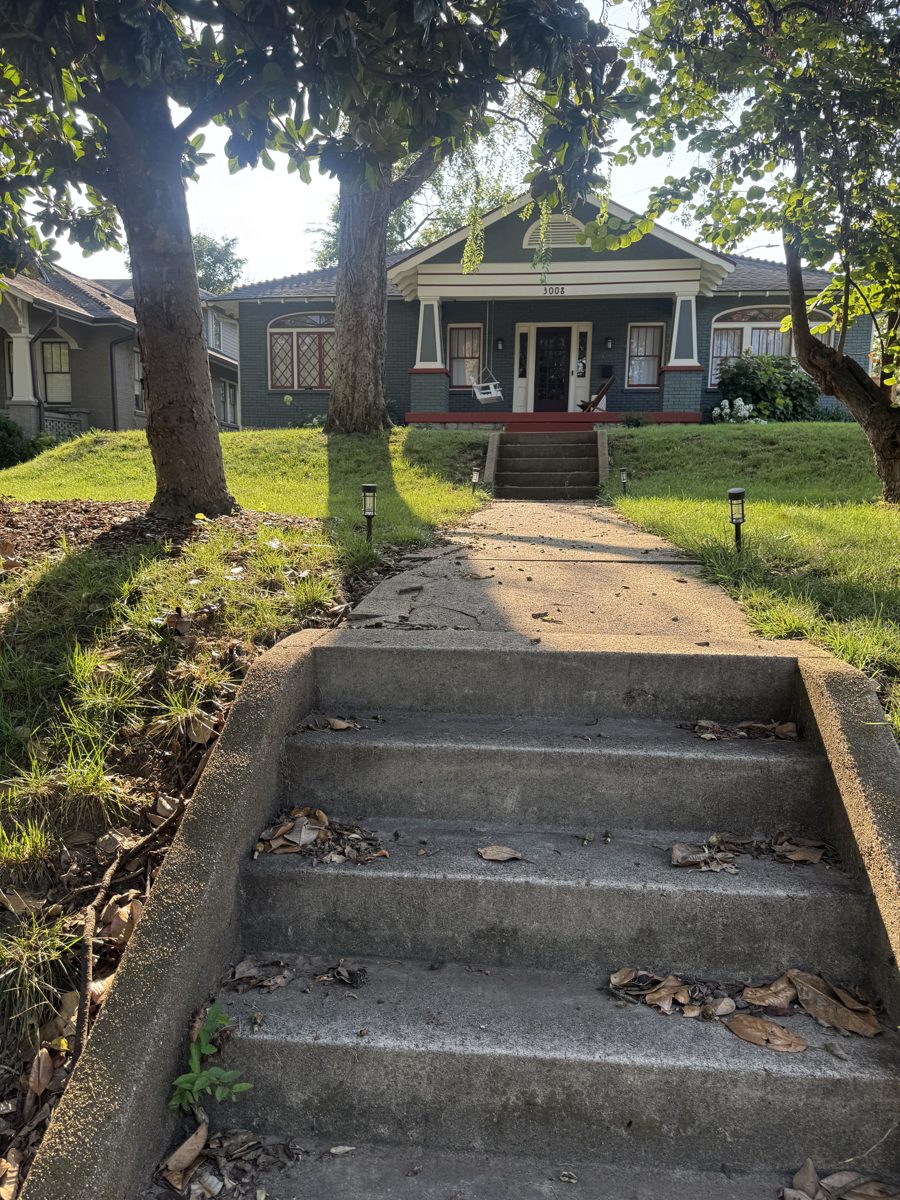
I was the driver and the author. The ideas, the framing, the teaching approach came from me and from years of teaching these topics. But it was a genuinely collaborative process of discussing and building. And here is the amazing part: I never wrote a line of the code behind this site. I never typed a single word of it. I walked, and I talked, and the agent built.
The loop I walked
The build loop
The setup took minutes, once, at the very beginning: an account on Vercel, a couple of API keys so the agent could reach the services it needed, and permission to commit code to GitHub on my behalf. From then on, the pipeline ran itself: I would send the agent off on a task — build this lesson, change how that's displayed, add a presenter view — and while it worked, I kept walking and thought about what came next. When it finished, the deployment pipeline picked up the changes automatically; I looked at the result on my phone, reacted, and spoke the next prompt. No laptop. No office. Over about two weeks of morning walks, this whole thing took shape.
The development environment
a phone · earbuds · a sidewalk
The commute
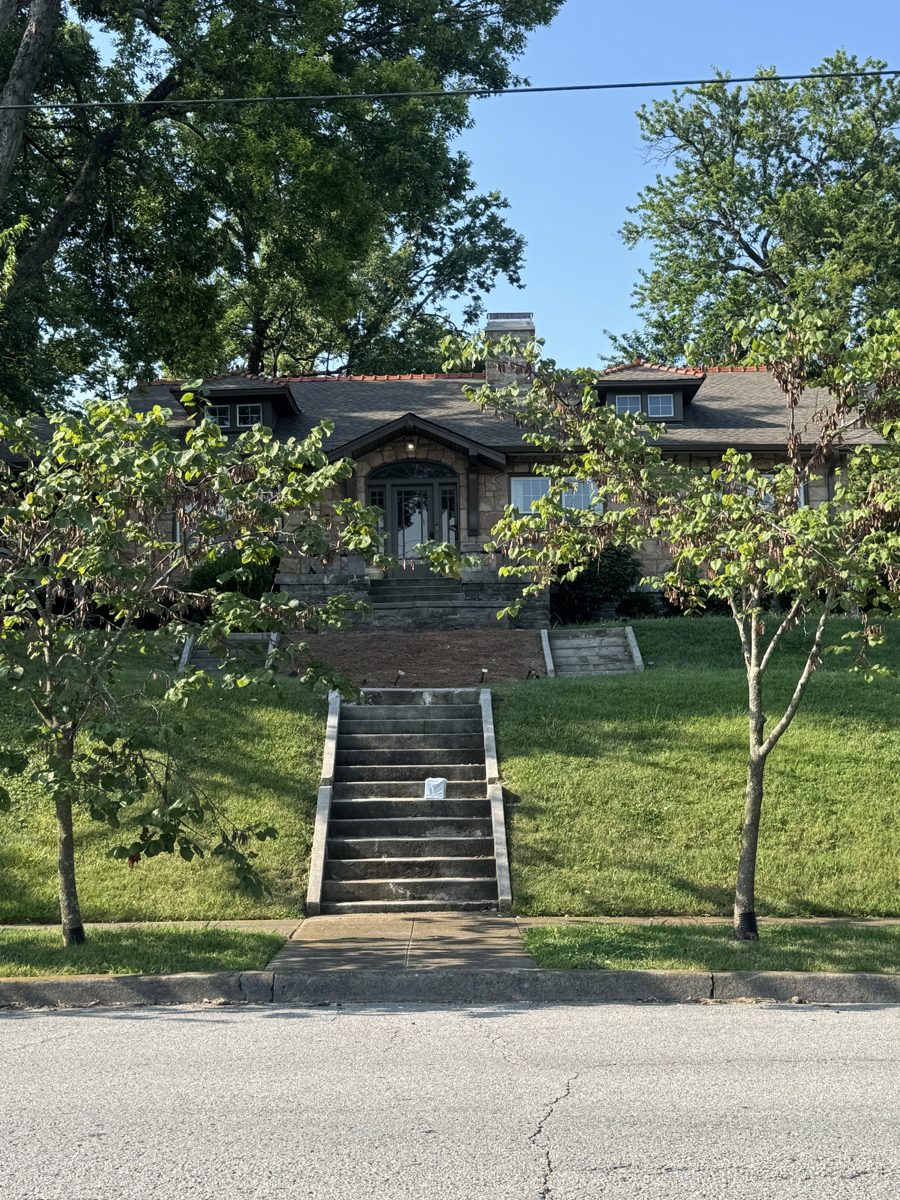
What the human is for
I've worked this way for a while now, but doing it while walking is what finally made the division of labor obvious. Everyone worries about what's left for the human. Working like this, the answer gets clearer, not murkier — because everything that remains is the part that was always most important:
The problem. What problem am I solving, and why? What are the different ways of exploring it, of holding it from different directions? I now spend most of my time there — probing the problem — because I know that when I get to the building, the building will be fast. My thought about the problem is what matters. My taste, judgment, and creativity are what end up in the work.
People. I spend more time talking with other human beings, thinking and collaborating — and less time sitting alone staring at code. My ability to turn thought into something of value — software, written words, actions on my calendar and email — is greater than it has ever been. That is what the agent gives me: the capacity to turn thought into value. So the scarce resource worth spending is thought.
Passing by
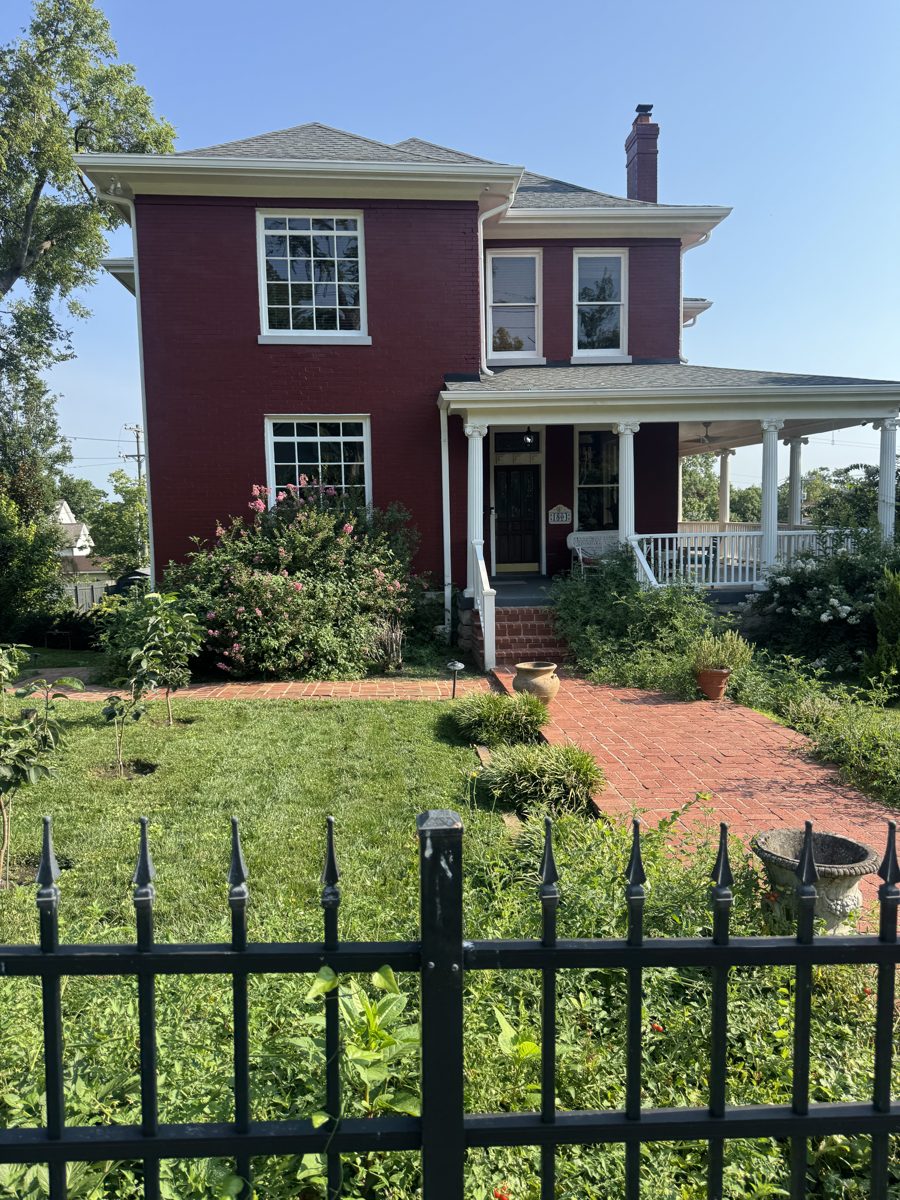
Rigor. And a discipline I underestimated: evaluation. When you do everything yourself, the doing crowds out the assessing. When agents do the building, the question that moves to the center is the one leaders have always had to answer about work they don't perform themselves: how do we know this is correct? How do we assess the quality and the value of what was built? More time on the problem, more time on how to measure the solution — less on the doing. You will meet this theme again, formally, when we get to research design.
Why show you this
Because every principle in the lessons ahead is what made those walks work. The conversations I had are the conversations you will learn to design. The agent that built this site ran the loop you will see on a slide and then run yourselves. This isn't a course about a technology I admire from a distance — it is a course about how this course exists.
The turnaround point
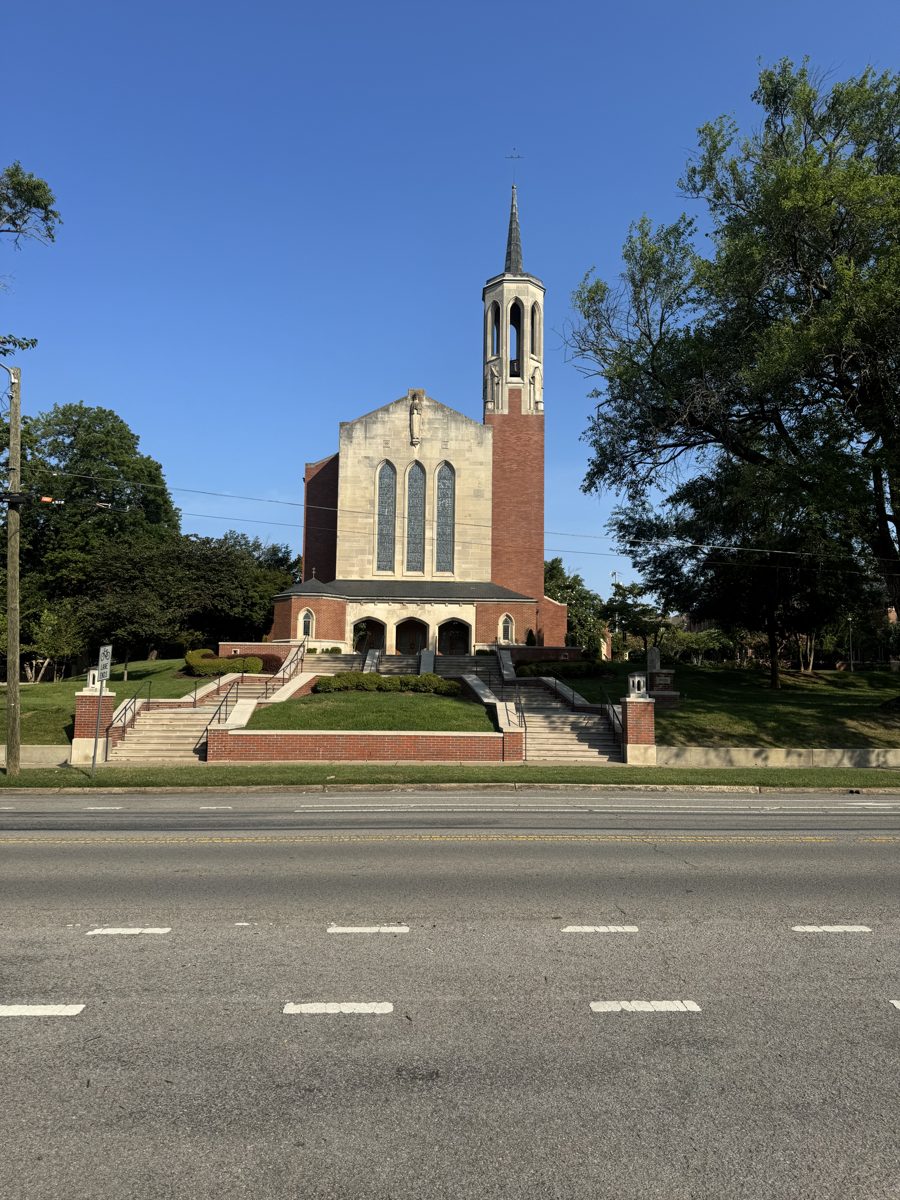
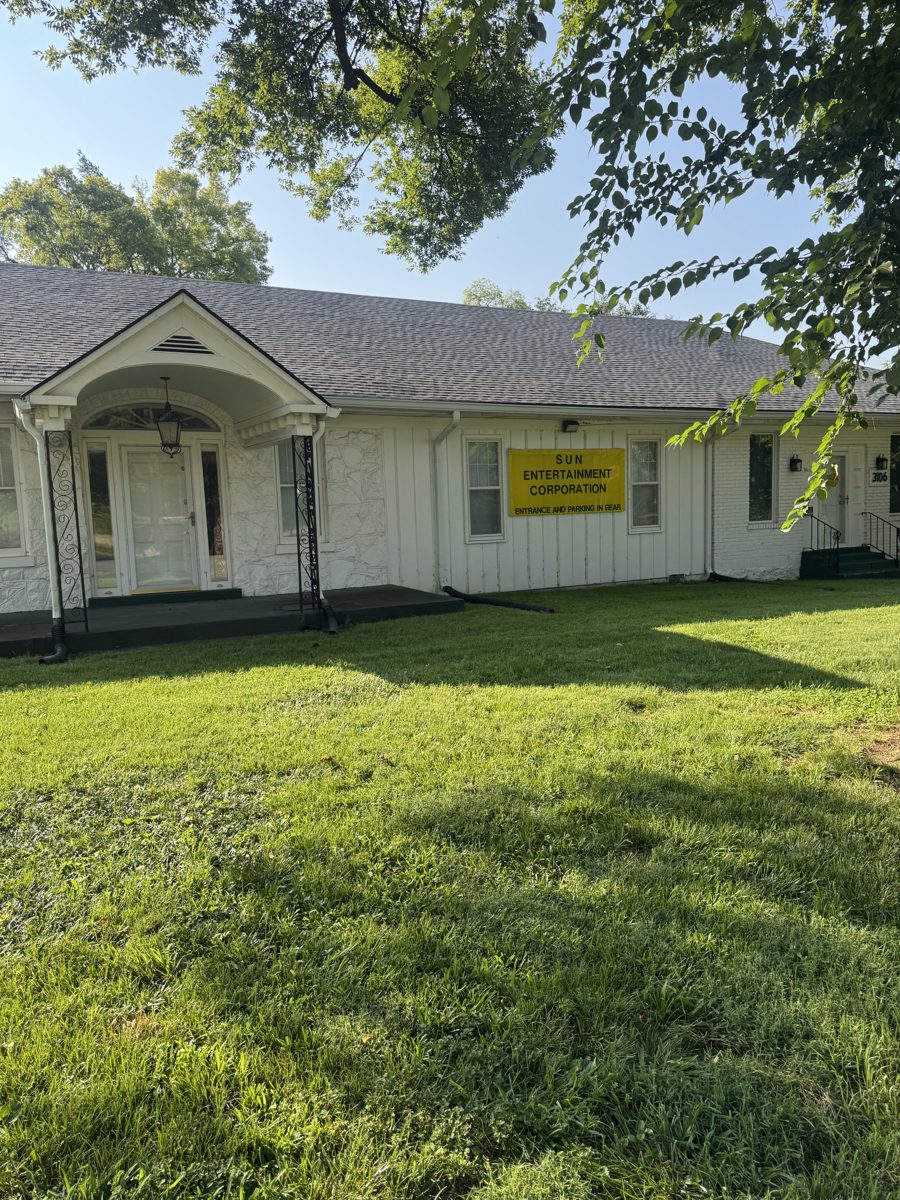
Music city, side street
- What would you build, if the building were nearly free and your only real constraints were the quality of your thinking and the clarity of your conversation?
- What's your version of the walk — the place where your problem thinking actually happens?